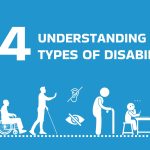
Disabilities affect millions of people worldwide, influencing how they interact with their environment and society. By understanding the various types of disabilities, we can promote inclusivity and support for all individuals. This guide explores the 14 distinct types of disability, shedding light on each to foster greater awareness.
1. Physical Disabilities
Physical disabilities affect a person’s mobility, dexterity, or stamina.
Examples:
Mobility Impairments: Paralysis, amputation, cerebral palsy.Chronic Conditions: Arthritis, muscular dystrophy, multiple sclerosis.
These conditions may require the use of assistive devices like wheelchairs , prosthetics, or walkers to navigate daily life.
2. Visual Impairments
Visual impairments range from partial vision loss to complete blindness.
Types:
Low Vision: Significant vision loss that cannot be corrected fully with glasses.Blindness: Total or near-total loss of sight.Color Blindness: Difficulty distinguishing between certain colors.
Assistive technologies such as braille , screen readers, and guide dogs greatly aid individuals with visual impairments.
3. Hearing Impairments
Hearing impairments involve partial or total inability to hear.
Categories:
Deafness: Profound hearing loss where little to no sound is perceived.Hard of Hearing: Mild to severe hearing loss.Tinnitus: Ringing or buzzing noise in one or both ears.
Communication methods like sign language , lip reading, and hearing aids are essential tools for those affected.
Understanding the 14 Types of Disability 1 4. Speech and Language Disabilities
These disabilities hinder effective communication through speech.
Conditions:
Stuttering: Disruptions in the flow of speech.Aphasia: Impaired language ability due to brain injury.Voice Disorders: Issues with pitch, volume, or quality.
Speech therapy and alternative communication methods can significantly improve interaction.
5. Intellectual Disabilities
Intellectual disabilities involve limitations in intellectual functioning and adaptive behavior.
Characteristics:
Difficulties with learning, reasoning, and problem-solving.
Challenges in everyday social and practical skills.
Examples:
Down Syndrome Fragile X Syndrome
Tailored educational programs and support services are crucial for development.
6. Learning Disabilities
Neurologically-based processing problems interfere with learning basic skills.
Common Types:
Dyslexia: Difficulty with reading and language processing.Dyscalculia: Challenges with math and numerical concepts.Dysgraphia: Problems with writing and spelling.
With appropriate strategies and interventions, individuals can effectively manage these challenges.
7. Autism Spectrum Disorders (ASD)
ASD is a range of neurodevelopmental conditions affecting social interaction and communication.
Key Features:
Difficulty with social cues and communication.
Repetitive behaviors and intense focus on specific interests.
Sensory sensitivities.
Early intervention and personalized support can greatly enhance quality of life.
Understanding the 14 Types of Disability 2 8. Attention Deficit Hyperactivity Disorder (ADHD)
ADHD is characterized by patterns of inattention, hyperactivity, and impulsivity.
Symptoms:
Trouble focusing or staying organized.
Excessive movement or restlessness.
Acting without thinking.
Management often includes behavioral therapy and, in some cases, medication.
9. Mental Health Disabilities
Mental health disabilities affect mood, thinking, and behavior.
Includes:
Depression: Persistent feelings of sadness and loss of interest.Anxiety Disorders: Excessive fear or worry impacting daily life.Bipolar Disorder: Extreme mood swings between mania and depression.
Professional treatment and support networks are vital for management.
10. Neurological Disabilities
Neurological disabilities result from disorders of the nervous system.
Examples:
Epilepsy: Seizure disorders due to abnormal brain activity.Parkinson’s Disease: Affects movement and coordination.Multiple Sclerosis: Immune system attacks the protective covering of nerves.
These conditions often require ongoing medical care and rehabilitation.
11. Invisible Disabilities
These disabilities are not immediately apparent but significantly affect daily functioning.
Examples:
Chronic Pain Conditions: Fibromyalgia.Chronic Fatigue Syndrome: Extreme fatigue not improved by rest.Diabetes: Impacts how the body processes blood sugar.
Understanding and awareness are key to supporting those with invisible disabilities.
12. Sensory Processing Disorders
Individuals have difficulty processing sensory information.
Manifestations:
Hypersensitivity: Overreaction to sensory stimuli like lights or sounds.Hyposensitivity: Underreaction, seeking intense sensory experiences.Mixed Sensitivity: Fluctuating responses to sensory input.
Occupational therapy can help manage sensory challenges.
13. Cognitive Disabilities
Cognitive disabilities affect mental processes like memory and problem-solving.
Causes:
Traumatic Brain Injury (TBI): Impacts from accidents.Dementia: Including Alzheimer ‘s disease.Stroke: May result in cognitive deficits.
Rehabilitation and support services aid in adapting to these changes.
14. Psychiatric Disabilities
Chronic mental health conditions influencing daily functioning.
Conditions:
Schizophrenia: Affects thinking and perception.Obsessive-Compulsive Disorder (OCD): Intrusive thoughts and repetitive behaviors.Post-Traumatic Stress Disorder (PTSD): Anxiety following traumatic events.
Comprehensive treatment plans are essential for managing symptoms.
Conclusion Understanding these diverse types of disabilities enhances our ability to create an inclusive and supportive society. By recognizing the challenges faced and valuing the contributions of individuals with disabilities, we move towards a world where everyone can thrive.