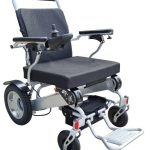
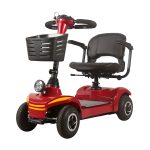
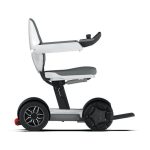
Wheelchairs are essential for individuals with mobility challenges, but not all wheelchairs are the same. Bariatric wheelchairs, designed for heavier users, differ significantly from standard wheelchairs in size, design, and functionality.
Understanding these differences can help you choose the most suitable option for your needs.
What Is a Standard Wheelchair?
A standard wheelchair is a versatile mobility aid designed for everyday use. It caters to individuals with varying mobility needs and is commonly used in homes, hospitals, and public spaces.
Key Features
Lightweight frame for easy manoeuvrability.
Typically supports a weight capacity of up to 18–20 stone (115–125 kg).
Compact design for use in tight spaces.
Available in manual and powered options.
Best For
Individuals with average body weight.
Temporary or long-term use in everyday environments.
What Is a Bariatric Wheelchair?
A bariatric wheelchair is specifically designed for larger and heavier individuals. It provides enhanced durability and comfort to meet the needs of users with higher weight requirements.
Key Features
Reinforced frame for extra strength and stability.
Supports higher weight capacities, often up to 40 stone (250 kg) or more.
Wider seat dimensions to ensure comfort and proper support.
Heavy-duty wheels for better performance on various surfaces.
Best For
Individuals requiring additional support due to higher weight.
Those needing more spacious and durable mobility equipment.
Key Differences Between Standard and Bariatric Wheelchairs
Feature
Standard Wheelchair
Bariatric Wheelchair
Weight Capacity
Up to 18–20 stone (115–125 kg)
Up to 40 stone (250 kg) or more
Seat Width
Standard seat width (16–20 inches)
Wider seat (20–30+ inches)
Frame Material
Lightweight materials like aluminium
Reinforced steel or heavy-duty alloys
Manoeuvrability
Easier to manoeuvre in tight spaces
Slightly bulkier, less compact
Usage
Everyday use in homes, offices, and outdoors
Designed for users needing extra support
Advantages of Standard Wheelchairs
Lightweight and easy to transport.
The compact size makes them ideal for small spaces.
Wide variety of models and features available.
Affordable compared to specialised models.
Advantages of Bariatric Wheelchairs
Increased weight capacity for heavier users.
Wider seats provide more comfort and prevent pressure sores.
A durable frame ensures long-term use.
Customisable features like extra padding and heavy-duty wheels.
Choosing the Right Wheelchair
When deciding between a standard wheelchair and a bariatric wheelchair, consider the following:
1. User’s Weight and Body Size
For users over 18 stone (115 kg), a bariatric wheelchair is essential for safety and comfort.
Standard wheelchairs are better for individuals within the average weight range.
2. Intended Use
For daily activities in compact spaces, a standard wheelchair is more practical.
For outdoor use or heavier loads, bariatric wheelchairs offer better stability and durability.
3. Transportability
Standard wheelchairs are easier to fold and transport.
Bariatric models may require a vehicle lift due to their size and weight.
Final Thoughts
Both standard and bariatric wheelchairs are vital mobility aids, but they cater to different needs. While standard wheelchairs are suitable for average users and daily use, bariatric wheelchairs provide the extra support and durability required for heavier individuals.
When choosing between the two, consider the user’s weight, intended use, and any additional features needed for comfort and safety. If in doubt, consult a mobility specialist to ensure you select the right wheelchair for your needs.
With the correct wheelchair, you can enjoy greater independence and mobility, tailored to your lifestyle.