
Enjoy 10% on Your First Purchase 😍😍😍
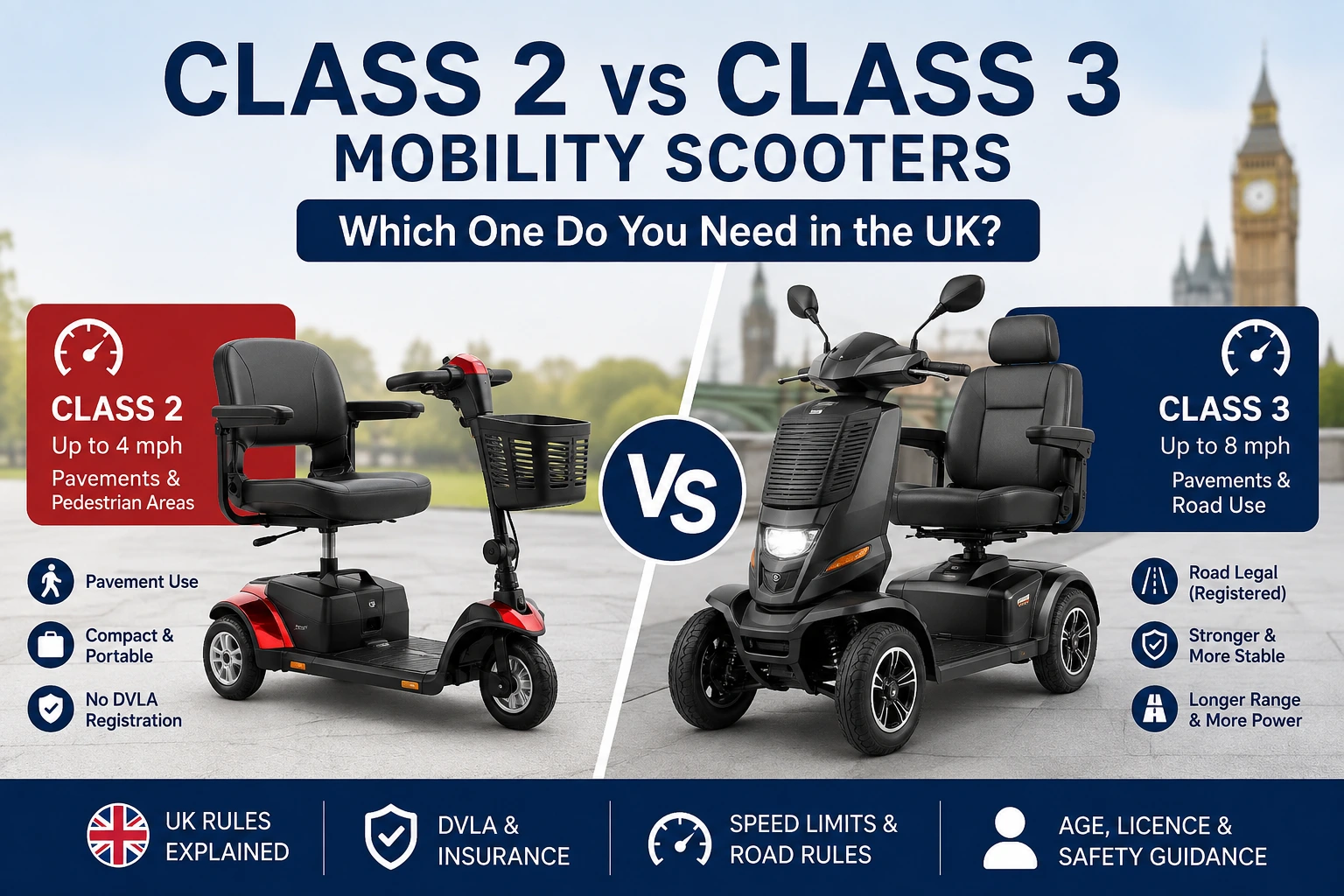
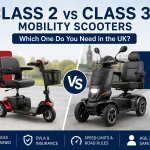
Choosing a mobility scooter is not only about comfort, battery range or appearance. In the UK, you must also understand whether the scooter is classified as Class 2 or Class 3.
The classification determines:
The simple difference is that a Class 2 mobility scooter has a maximum speed of 4 mph and is primarily intended for pavements and pedestrian areas. A Class 3 mobility scooter can travel at up to 8 mph and may be used on roads when it meets the relevant requirements and is registered with the DVLA. Both classes are restricted to a maximum of 4 mph when travelling on pavements. plains the current mobility scooter road rules in the UK and helps you decide which class is more suitable for your daily routine.
Important: This guide provides general information based on current published rules. Regulations can change, so check the latest GOV.UK or Northern Ireland guidance before using a mobility scooter on public roads.
| Feature | Class 2 mobility scooter | Class 3 mobility scooter |
|---|---|---|
| Maximum powered speed | Up to 4 mph | Up to 8 mph |
| Maximum pavement speed | 4 mph | 4 mph |
| Designed primarily for | Pavements, pedestrian areas and shorter journeys | Pavements, pedestrian areas and road travel |
| Routine road use | No | Yes, subject to legal requirements |
| DVLA registration | Not normally required | Required |
| Vehicle tax payment | Not applicable | No vehicle tax payable when correctly registered |
| Insurance | Recommended | Recommended |
| Minimum user age | No specific minimum age | 14 years |
| Typical design | Compact, portable or folding | Larger, more stable and road equipped |
| Best suited to | Shopping centres, local pavements, travel and car transport | Longer journeys, outdoor routes and road use |
The seller or manufacturer should normally be able to confirm the official class of a scooter. You should not decide its legal class only from its appearance, product name or advertised size. Class 2 Mobility Scooter?
A Class 2 mobility scooter is a powered mobility device with a maximum speed of 4 mph or less.
It is designed mainly for use on:
Class 2 scooters cannot be used in painted cycle lanes running alongside normal road traffic. They should use the pavement whenever one is available. Where there is no pavement, or where the road must be crossed, the user should proceed cautiously and follow the relevant Highway Code guidance. atures of Class 2 scooters
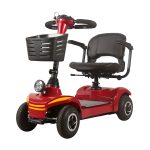
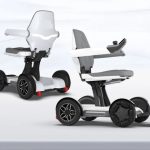
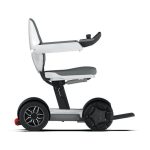
Class 2 scooters are often:
However, not every folding or lightweight scooter is automatically Class 2. Always check the manufacturer’s classification and maximum powered speed.
A Class 2 mobility scooter may be suitable when you:
A compact Class 2 model can be especially practical for someone who still drives or travels with a family member and needs a scooter that can be folded or dismantled.
A Class 3 mobility scooter can travel at up to 8 mph and is designed for use on both pavements and roads.
Although it can reach 8 mph on the road, a Class 3 scooter must be restricted to a maximum of 4 mph on pavements and in pedestrian areas. ers are commonly described as:
The phrase “road legal” should not be treated as a complete legal guarantee. The scooter must be correctly classified, equipped and registered before being used routinely on public roads.
Class 3 scooters are often equipped with:
Road-going Class 3 devices must have the required road-safety equipment, including effective brakes, lights, reflectors, indicators capable of operating as hazard warning signals, a rear-view mirror and a horn. d consider a Class 3 scooter?
A Class 3 model may be more suitable when you:
Class 3 scooters are generally less convenient to lift into an ordinary car. Some may require a vehicle hoist, scooter carrier, ramp or wheelchair-accessible vehicle.
The maximum mobility scooter pavement speed is 4 mph, regardless of whether you are using a Class 2 or Class 3 scooter.
You must:
Four miles per hour is the maximum, not a target speed. In a busy shopping area, near children, around people with visual or hearing impairments, or on a narrow pavement, travelling more slowly may be necessary. s 2 Mobility Scooter Go on the Road?
A Class 2 scooter is not designed for routine road travel and should use the pavement whenever one is available.
A Class 2 user may need to enter the road:
When travelling on the road becomes necessary, proceed with extra caution, remain visible and follow the direction of traffic where possible. At night, appropriate lights must be used when the scooter is on the carriageway. xpects to make regular road journeys should normally consider an appropriately equipped and registered Class 3 mobility scooter instead.
A correctly equipped and registered Class 3 scooter can generally be used on:
Class 3 mobility scooters cannot be used:
A cycle lane is the painted section running beside normal road traffic. A cycle track is separated from the main road by physical distance or a barrier. Class 2 and Class 3 devices may use cycle tracks, but not cycle lanes. ss 3 scooter use a dual carriageway?
Government guidance recommends avoiding dual carriageways with speed limits above 50 mph. Where a mobility scooter is used on such a dual carriageway, an amber flashing beacon must be used. ad use is legally possible, consider whether the route is genuinely safe. A quieter alternative may be more appropriate because an 8 mph scooter is significantly slower and less visible than other traffic.
Yes. A Class 3 mobility scooter or powered wheelchair must be registered with the DVLA.
The dealer will usually register a brand-new Class 3 scooter. Before completing your purchase, ask the dealer to confirm:
When a dealer does not complete the registration, the owner can apply using the V55/MV form, which is specifically provided for mobility vehicles.
A used Class 3 scooter should normally already be registered. Before buying one, ask the seller for the vehicle details and confirm its registration status through the DVLA vehicle enquiry service. e tax payable?
A Class 3 mobility scooter must be registered, but no vehicle tax is payable when it is correctly registered with the DVLA as a mobility scooter or powered wheelchair. and tax payment are different issues. “Tax exempt” does not mean “registration exempt.”
Insurance is not generally compulsory for an ordinary Class 2 or Class 3 mobility scooter or powered wheelchair. However, the government recommends having insurance. ooter insurance policy may provide:
Terms differ between insurers, so check the exclusions, excess, geographic limits and storage requirements before purchasing a policy.
Insurance is especially worth considering when you:
Vehicles that fall outside the ordinary Class 2 and Class 3 categories can be subject to different insurance rules.
You do not need a driving licence to operate an ordinary Class 2 or Class 3 mobility scooter.
However, you must still be able to control the scooter safely, understand its controls and respond appropriately to pedestrians, vehicles, crossings and road conditions. People with a medical condition that may affect safe operation are advised to speak with their GP or another relevant healthcare professional. Minimum Age?
There is currently:
These are the current published rules for Great Britain. s not establish that a person can use a scooter safely. The user should understand the controls, judge speed and distance, navigate obstacles and respond appropriately to other road and pavement users.
Class 2 and Class 3 scooter users should be able to read a car registration number from a distance of 12.3 metres, or approximately 40 feet.
Users should check their eyesight regularly. A person may be prosecuted where poor eyesight contributes to an accident. ally Allowed to Use a Mobility Scooter?
Mobility scooters and powered wheelchairs are designed for people who have difficulty walking because of:
They may also be operated by someone who is:
A mobility scooter should not be treated as a general personal transport vehicle for someone who does not meet one of the recognised conditions. Class 3: Which Mobility Scooter Should You Choose?
The best class depends on how and where the scooter will be used.
The legal class is important, but it should not be the only factor in your decision.
Before buying, ask:
Think about whether your regular routes involve pavements, public roads, shops, parks, narrow paths or uneven surfaces.
Do not select a scooter based only on the advertised maximum range. Battery range can be affected by:
Choose a model with a reasonable reserve beyond your normal journey length.
Check:
A scooter described as portable may still be too heavy for the user or caregiver to lift comfortably.
Mobility scooters should be stored in a secure, dry and accessible location. Confirm that you can safely reach a suitable charging point without creating a trip hazard.
Check the seat width, depth, back support, armrests, swivel function and weight capacity. Someone who spends long periods on the scooter may need more postural support than a basic portable model provides.
Test:
Where possible, arrange an individual assessment or product demonstration before purchasing.
“Road legal” is commonly used to describe Class 3 mobility scooters, but the phrase should be checked carefully.
Before using a scooter on the road, confirm that:
Do not assume that every large mobility scooter advertised online is automatically suitable for lawful public-road use in the UK.
A powered mobility device may fall outside the standard classes when, for example, it:
A device outside the normal classes is treated differently and may be limited to road use. Driving-licence, registration and insurance requirements may also apply. st advice before purchasing or using an unusually large, heavy or high-speed mobility device.
Great Britain and Northern Ireland have separate legislation governing powered mobility devices.
Many of the practical rules are similar, including the 4 mph limit in pedestrian areas, but anyone using a scooter in Northern Ireland should check the current guidance published by nidirect rather than relying solely on guidance written for England, Scotland and Wales. Asked Questions
A Class 2 scooter has a maximum speed of 4 mph and is designed mainly for pavement use. A Class 3 scooter can travel at up to 8 mph, may be used on public roads and must be registered with the DVLA.
No. Class 3 scooters must be limited to a maximum of 4 mph on pavements and in pedestrian areas.
Class 2 mobility scooters do not normally require DVLA registration. Class 3 scooters must be registered.
Insurance is not generally compulsory for ordinary Class 2 or Class 3 scooters, but it is recommended because it can provide public liability, theft and accidental-damage protection.
Yes. A driving licence is not required for an ordinary Class 2 or Class 3 mobility scooter. Different requirements may apply to devices that fall outside these classes.
No. Class 3 scooters cannot be used on motorways, bus lanes or cycle lanes. Extra precautions apply on dual carriageways.
Mobility scooters cannot use painted cycle lanes beside normal road traffic. Class 2 and Class 3 devices may use cycle tracks that are physically separated from the road.
No. Folding design does not determine legal classification. Check the manufacturer’s stated class and maximum powered speed.
A second-hand Class 3 scooter should already be registered. Ask the seller for the vehicle details and verify its status. If it has never been registered, a V55/MV application may be required.
A Class 2 scooter is generally more likely to be compact, foldable or dismantlable. Class 3 scooters are often larger and may require a ramp, hoist or adapted vehicle.
Choose a Class 2 mobility scooter when portability, shorter pavement journeys and indoor manoeuvrability are your priorities.
Choose a Class 3 mobility scooter when you need longer-distance outdoor travel, enhanced comfort and the legal ability to travel on suitable public roads.
Neither class is automatically better. The right scooter is the one that safely matches:
Explore Gilani Mobility UK’s range of mobility scooters or contact our team for guidance on selecting a scooter suited to your everyday travel, comfort and transport requirements.